Quality assurance is and remains absolutely indispensable for science. However, the limitations of peer review are becoming increasingly evident. New approaches are therefore urgently needed – such as the partially randomized selection of projects by lot.
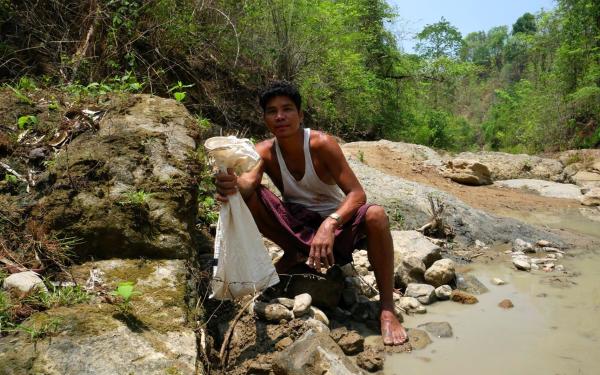
The biologist Ulrich Kuch has been doing intensive research on venomous snakes for years. Now, together with experts in Myanmar, he is looking for a new method to protect people around the world from bites.
Responsibility – following the Rana Plaza disaster
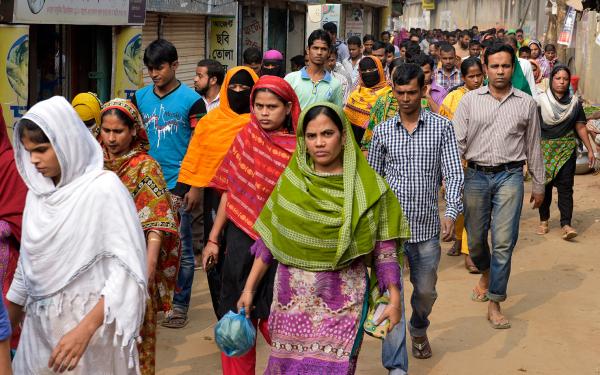
Since the collapse of the Rana Plaza textile factory, occupational safety in Bangladesh has improved – according to the results of a Foundation-funded study. But what will remain if the politicians don't keep at it?
Many courts in the USA use software to assess the risk of recidivism of defendants. Should AI also be used in the German judicial system? An interdisciplinary research group is now seeking answers to the provocative issues raised in this context.
Thanks to increasingly sophisticated voice control, communication between man and machine is making great strides. Will the dialog with intelligent systems change our society?
The linguist Birgit Hellwig is researching the language acquisition of small children – on the example of Qaqet, an endangered language in Papua New Guinea.
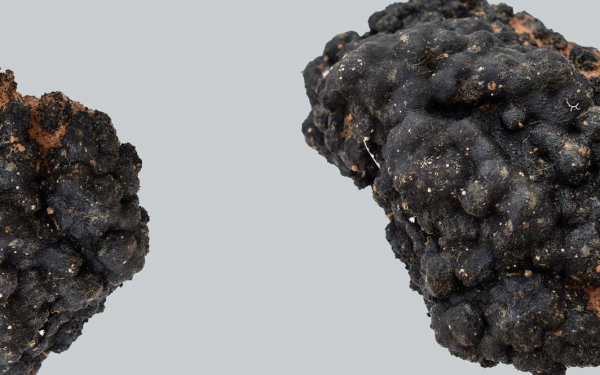
Manganese Nodules and Microorganisms: Life Fuelled by Radioactivity?
Radioactivity is generally considered harmful to life. Yet in manganese nodules in the deep sea, microorganisms might benefit from it. Or even live off it? This is the intriguing hypothesis that geoscientist Walter Geibert hopes to prove.
Climate Research Using Old Ship’s Logs: the Wind Leaves no Trace on the Sea
Did a volcanic eruption in 1783 shift the tropical rain belt? Old ship’s logs could provide the answer – and also shed light on the future climate for millions of people living around the equator.