Newsroom

Interview 15 September 2020

On the way to an ideal science discourse

Corona gives science a shakeup. One effect is that researchers discuss their ideas more openly and share their data and results earlier. That is Open Science. Does openness make research better? A conversation with Ulrich Dirnagl.

Interview 18 August 2020

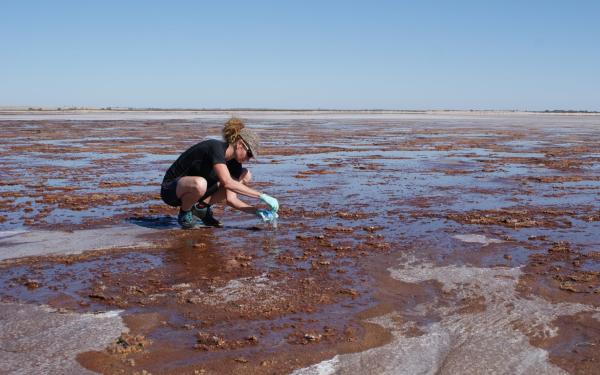
Knowledge of primeval times helps to counter the climate crisis

The Intergovernmental Panel on Climate Change (IPCC) has appointed palaeobiologist Wolfgang Kiessling to act as a main author of the next world climate report. Read the following interview about forecasts, parallels, and his contribution to combating the climate crisis.

Story 13 August 2020

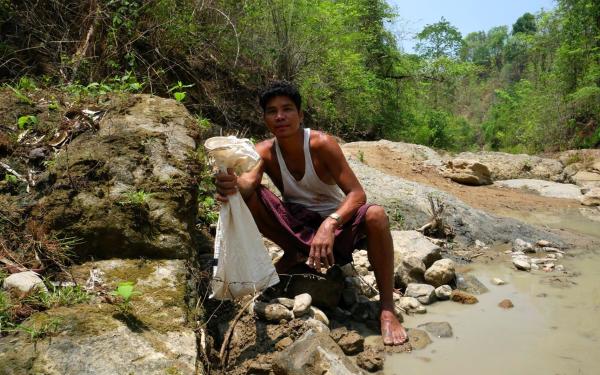
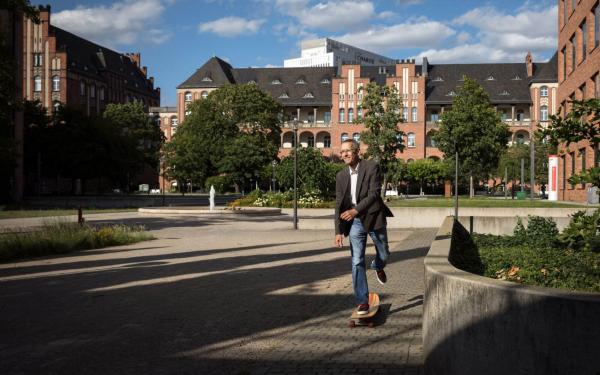
Alliance with the Serpent King

The biologist Ulrich Kuch has been doing intensive research on venomous snakes for years. Now, together with experts in Myanmar, he is looking for a new method to protect people around the world from bites.

News 10 August 2020

On the trail of the evolution of viruses

As part of its "Life?" initiative, the Volkswagen Foundation is supporting an international team in the research of a novel virus-like element with 1 million euros.

News 04 August 2020

Corona-update: Why we are postponing deadlines

The pandemic has a huge impact on research: Projects are delayed or even fail completely to get off the ground. New fields of research are vaguely beginning to emerge. All this calls for agile and flexible action, and the Volkswagen Foundation is gearing up for it.

Interview 30 July 2020

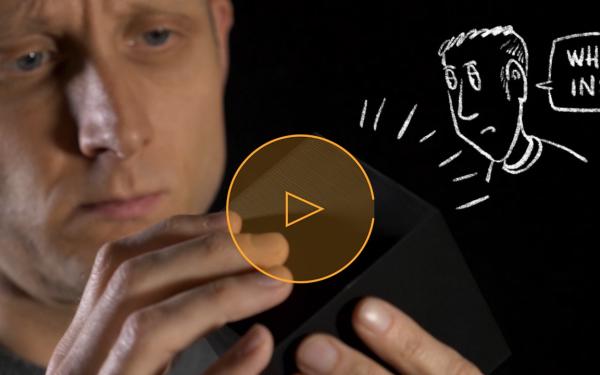
Behind the scenes of research culture: "Black Box Science"

Freigeist Fellow Rainer Kaufmann has the courage to leave the comfort zone – his video project "Black Box Science" gives an uncompromising view of research culture. An interview about the realities of everyday life in research and the origins of the "Black Box" project.

Stories

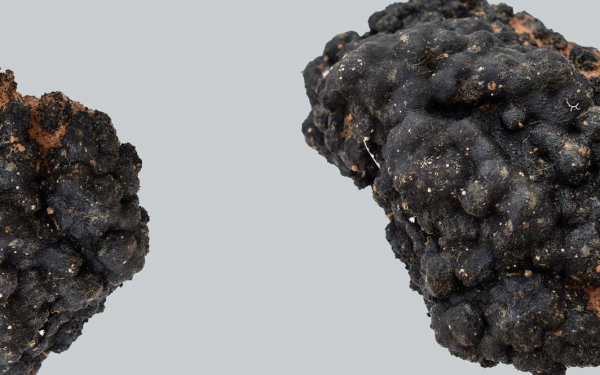
Foto einer einzelnen Manganknolle
Story 15 July 2026

Manganese Nodules and Microorganisms: Life Fuelled by Radioactivity?

Radioactivity is generally considered harmful to life. Yet in manganese nodules in the deep sea, microorganisms might benefit from it. Or even live off it? This is the intriguing hypothesis that geoscientist Walter Geibert hopes to prove.

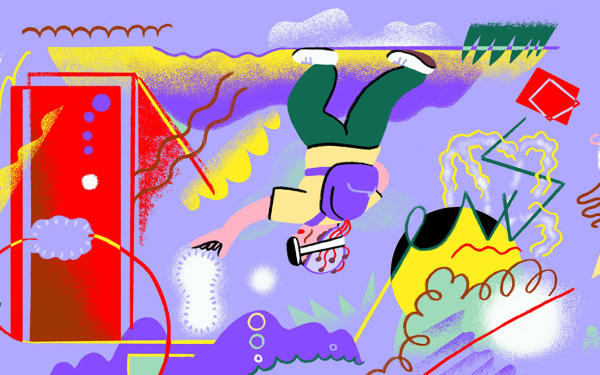
Illustration, die eine Person mit EEG-Haube zeigt, die auf dem Kopf steht.
Story 08 July 2026

Basic Research: Exploring the unknown

What happens in the brain when we are confronted with completely unknown things and situations? At TU Dresden, Christian Beste is researching what is known as the "unknown unknown". To do so, he is turning science on its head.

Mastodon