Newsroom

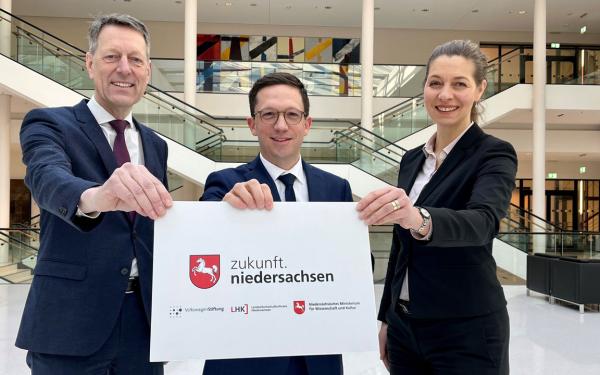
Two men and a woman hold a sign with the imprint "zukunft.niedersachsen" into the camera
Funding Offer 08 February 2023

Future agenda for science funding in Lower Saxony presented

The title of the new program for the promotion of research and education in Lower Saxony is "zukunft.niedersachsen". Thanks to additional funding of 580 million euros, three future fields are to be massively developed in order to make Lower Saxony visible as a research  location, also internationally.

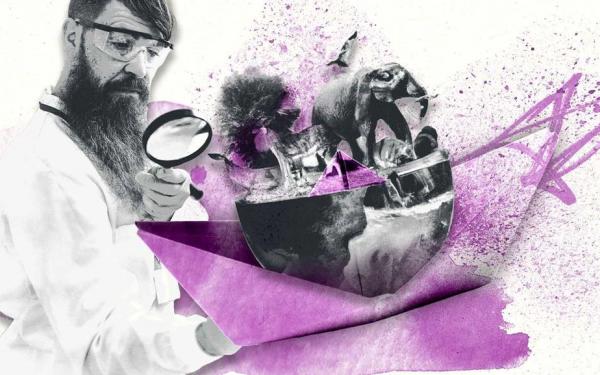
Illustration mit Mann, der mit der Lupe ein Globus-Modell untersucht
News 19 December 2022

Earth system science as a new leading concept for the geosciences

At a Leopoldina symposium held on December 19, 2022, the Secretary General of the Volkswagen Foundation Dr. Georg Schütte presented a new funding initiative. Fifty years after publication of the "Limits to Growth" report, the foundation creates a renewed geo-scientific focus on the Earth system as a whole. 

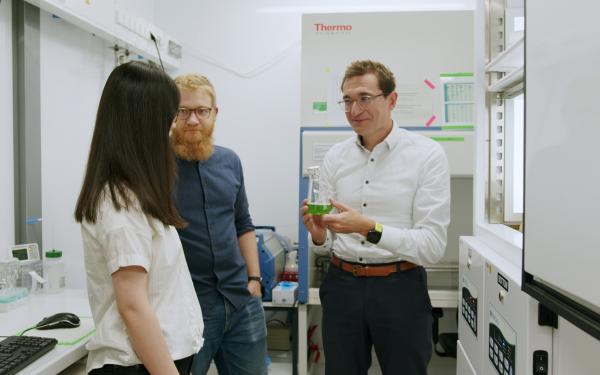
Gruppe von Wissenschaftler:innen im Labor
Video 14 December 2022

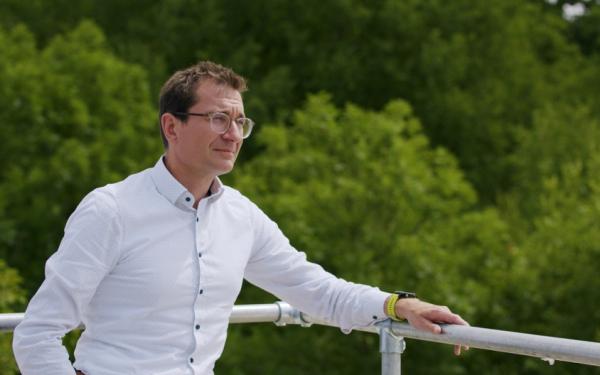
Video portrait of Tobias Erb: Artificial photosynthesis

Detail aus einem Labor mit leuchtendem Glaselement
Story 17 November 2022

Artificial Photosynthesis: The decisive step forward

Tobias Erb of the Max Panck Institute for Terrestrial Microbiology has reinvented photosynthesis – in the laboratory. His goal is to produce chemical substances with the help of sunlight and carbon dioxide in the air.

News 18 October 2022

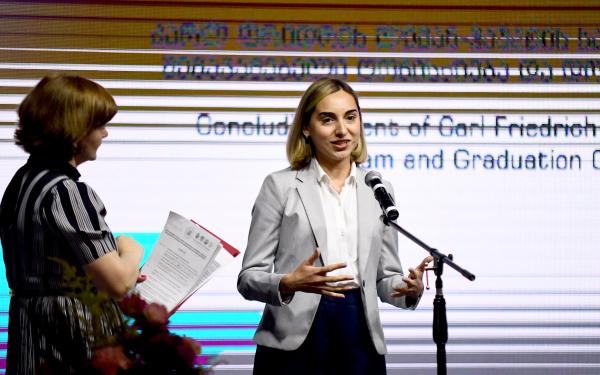
Tbilisi: International Doctoral School successfully established

The foundation provided around 800,000 euros for the substantial and sustainable improvement of PhD training in Georgia. Ilia State University and the Rustaveli Foundation also participated in the financing of the pilot program.

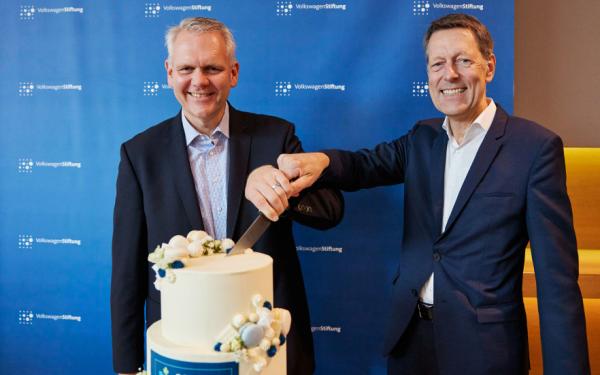
2 Männer schneiden eine Torte
Video 05 October 2022

Video: "Festival of Science" (in German)

Stories

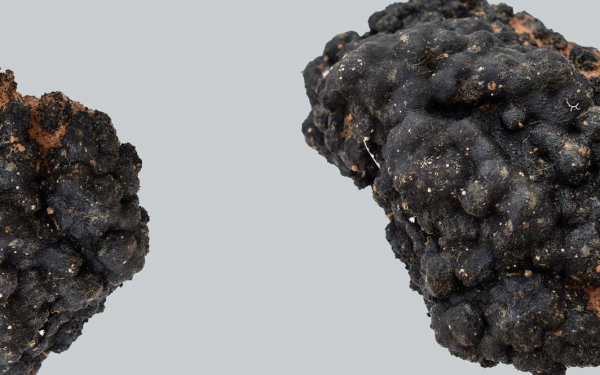
Foto einer einzelnen Manganknolle
Story 15 July 2026

Manganese Nodules and Microorganisms: Life Fuelled by Radioactivity?

Radioactivity is generally considered harmful to life. Yet in manganese nodules in the deep sea, microorganisms might benefit from it. Or even live off it? This is the intriguing hypothesis that geoscientist Walter Geibert hopes to prove.

Illustration, die eine Person mit EEG-Haube zeigt, die auf dem Kopf steht.
Story 08 July 2026

Basic Research: Exploring the unknown

What happens in the brain when we are confronted with completely unknown things and situations? At TU Dresden, Christian Beste is researching what is known as the "unknown unknown". To do so, he is turning science on its head.

Mastodon