So that everyone can have their say: Citizens' assembly on AI research
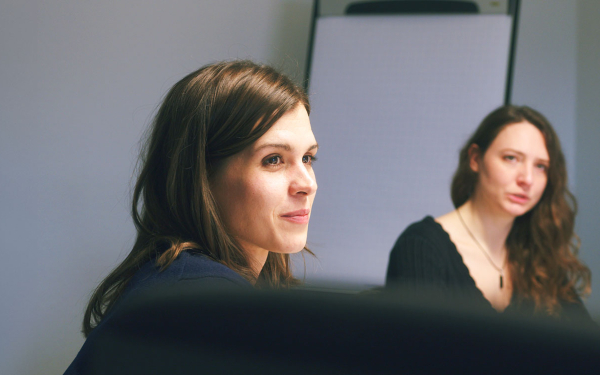
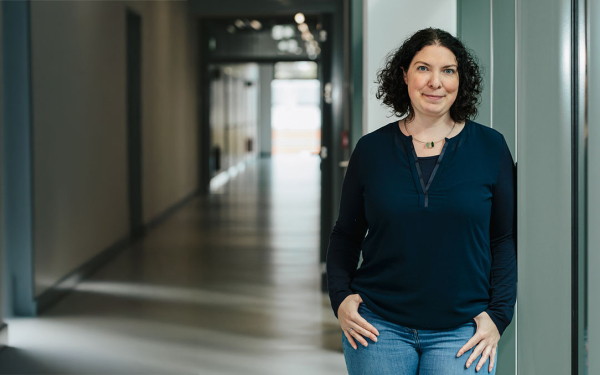
Rhetoric expert Anika Kaiser researches how people can make themselves heard on the major issues of our time – artificial intelligence (AI) being a case in point. She is the right person to take care that this grassroots democratic process does not remain too detached from reality: in her first life, she trained as a painter.
Online Q&A for Lower Saxony-Scottish collaborations
A new initiative offers scientists at universities in Lower Saxony and Scotland the opportunity to conduct joint research. On 6 and 18 March, the contact persons will answer all questions about the offer in online Q&A.
Archaeology as Reconstruction: Ancient Near Eastern Studies in Mosul
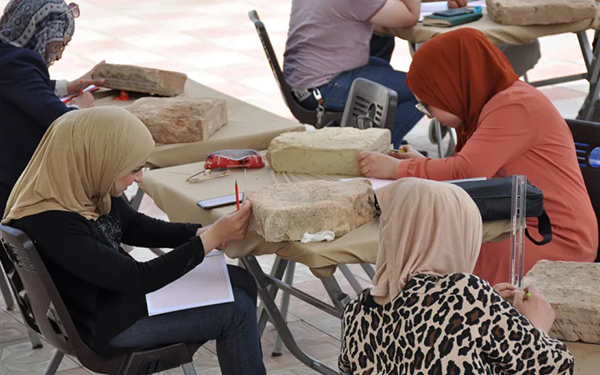
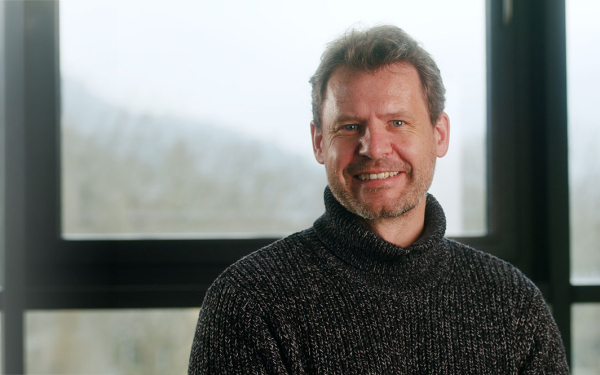
He came to Mosul with the task of excavating ancient Nineveh. In the meantime, however, the mission of the ancient orientalist Stefan Maul goes far beyond this: he is rebuilding the study of antiquity in Iraq. And he is teaching the people what the Islamists robbed them of: pride in their cultural heritage.
Interdisciplinary tandems of two scientists from the natural, life or technical sciences can apply for funding for measures that enable them to devote more time to free creative thinking.
Democracies under pressure: 14 million euros to research how to overcome the crisis
The foundation has brought together researchers from the humanities, cultural studies, and social sciences, as well as practitioners from outside academia, to develop new ideas and solutions for making democracies more resilient.
Changing society for the better: 28 million euros for transformative research projects
Positive change is needed for a society worth living in. With "Change!", the Foundation is funding 17 projects that combine research and practical knowledge with 28 million euros – from educational equity and coastal research to AI in law enforcement.
Wolfram Pernice is researching how computers based on neural networks could in future compute even faster and more efficiently – using light instead of electronics. And real nerves instead of optical fibres.
Marine scientist Dr Christina Roggatz from the University of Bremen is leading her own team for the first time – and through her work wants to arrive at a better understanding of climate change. Here she gives us an insight into her everyday life as leader of a junior research group.